-

Accessibility at the Cost of the Artist Process
Art has and always will have some sort of a barrier to entry. This is by it’s nature, but there have been all sorts of tool created throughout history to lower this barrier to entry, and while many have succeeded, they also raise the ceiling and push their medium forward.…
-
Vocals Can Take Away From a Song
I listen to a lot of instrumental music. I also am studying a lot, and not having vocals is nice when writing an essay (or a blog post). But there comes a time in which vocals are welcome. I don’t think it’s fair to just listen to classical music without…
-
Making Instruments
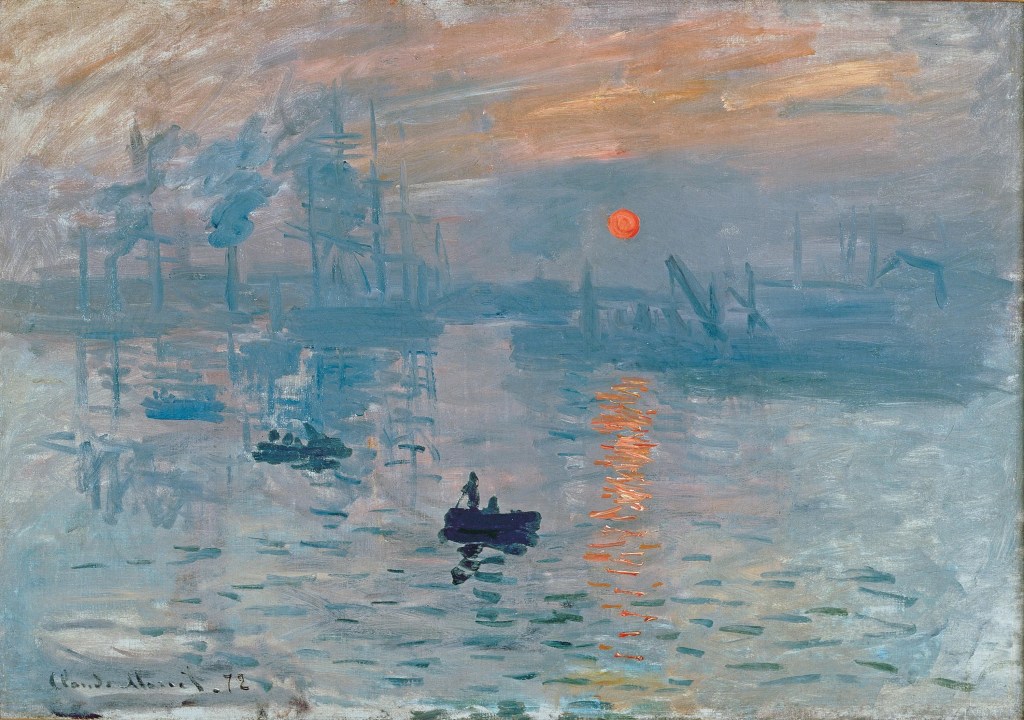
Before the industrial revolution, painters had to mix their colors. They needed a base, some common types were oil, water, and tempera (egg yolk), pigments, and to place to mix them. Back then, one could easily go their entire lives without seeing a specific color on any physical objects (they…
-
The Jazz Ontology: A Solution to Part of a Larger Problem
A while ago I read “The Jazz Ontology: A semantic model and large-scale RDF repositories for jazz” by Polina Proutskova et al. The title should be pretty self explanatory, but for the sake of comprehension I’ll provide a quick summary. Essentially, the current, widespread system of music classification and archival…
-
Going Fretless
A couple months ago I decided I wanted to experiment with microtonal guitar. For those unfamiliar, microtones are notes in between the 12 natural notes of the western chromatic scale. First I looked online, like one does, for microtonal or fretless guitars to no avail. Every guitar microtonal or fretless…
-
The Prequel to The Role of A.I. in the Creative Process
I hate the modern use of the word A.I. First off, A.I. is not a new thing. “A Logical Calculus of the Ideas Immanent in Nervous Activity” by Warren McCulloch and Robert Pitts, the paper that proposed computational neural networks (the basis for machine learning), was published in 1943. A.I.…
-
Why you shouldn’t learn from Metallica, Mozart, or Miles Davis.
It doesn’t matter which genre, but you should never base your entire playing style off outdated musicians. While it may be extremely valuable to study their compositions, music evolves and their compositions are do not encompass all the modern possibilities. Additionally, a good musicians should never just study a single…
-
Should You Study With Music?
After taking the AP Chemistry exam and in the progress of studying for AP Physics 2, I realized how much music I listen to while studying compared to anytime else. Most of the time I listen to music is while studying, as I am studying a lot of the time.…
-
I Do Not Like Traditional Western Classical Orchestral Music Too Much, but There Is Something to Learn from It.
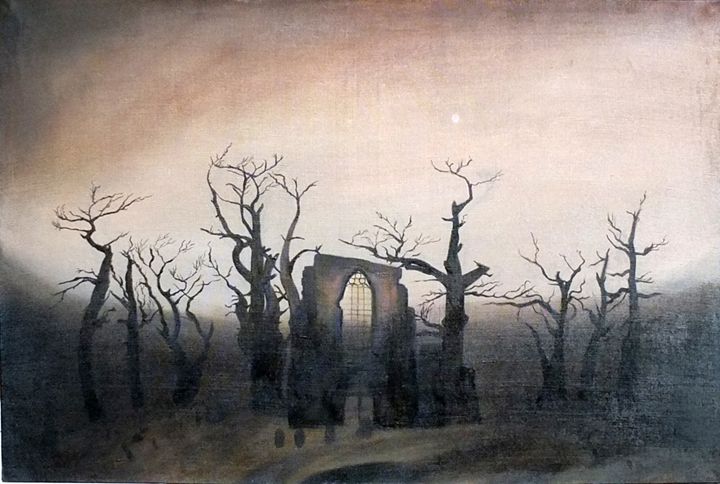
The quite lengthy title says it all: I simply dislike the sound of such music (in general). To me it sounds snobby and elitist, reminiscent of the stereotypical listeners of such music. Granted, I’ve not listened to a ton of classical music (especially the more modern compositions), as I just…
-
How to explain music.
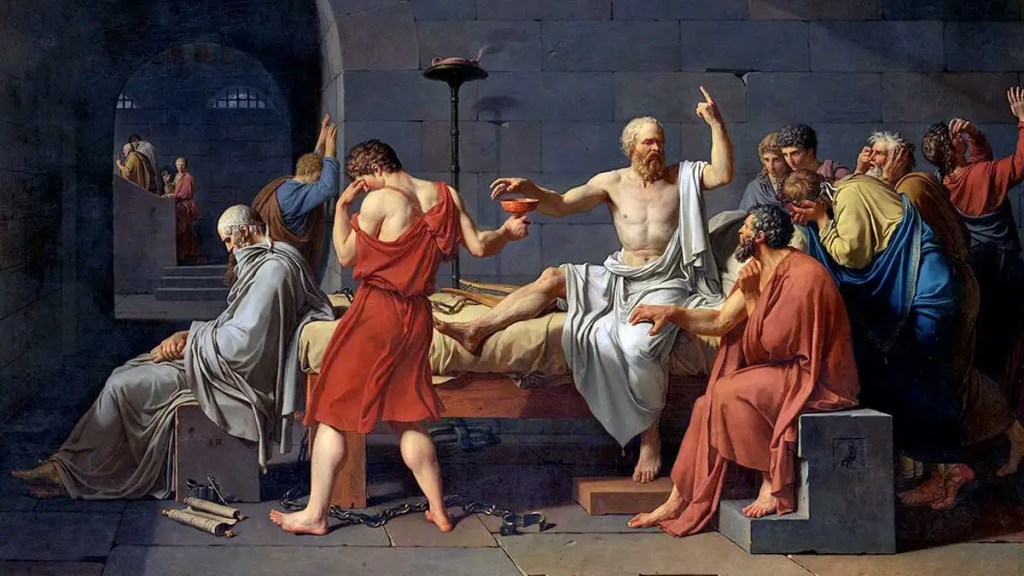
It’s impossible. Explaining music is not possible. Everyone experiences music in unique ways, but like everything else, humans like to try quantify such a thing. It’s quite ironic actually, music is an imperfect way to encapsulate not just events, but entire experiences and raw emotion, yet we then try to…
-
Fretted, Microtonal, and Fretless Guitars.
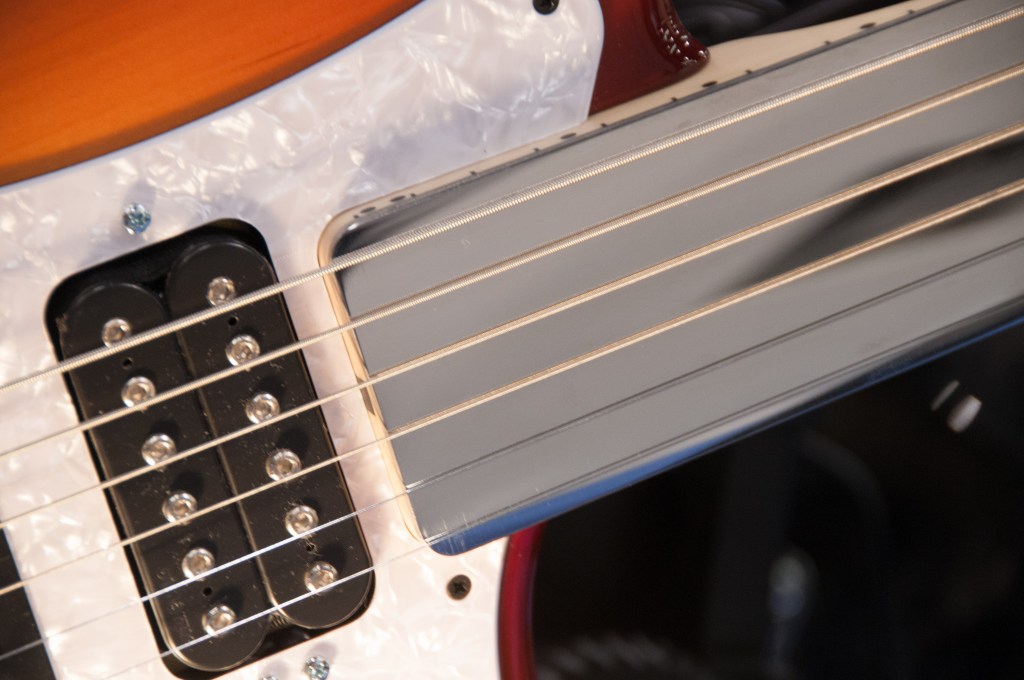
Everyone knows about the classic guitar and it’s fretboard with 20-24 metal frets across the fretboard, spanning up to two octaves within the western musical realm. Frets are good for a variety of things, for one they increase sustain (time a note can be held) and eliminate the struggle for…
-
What makes a transition good?
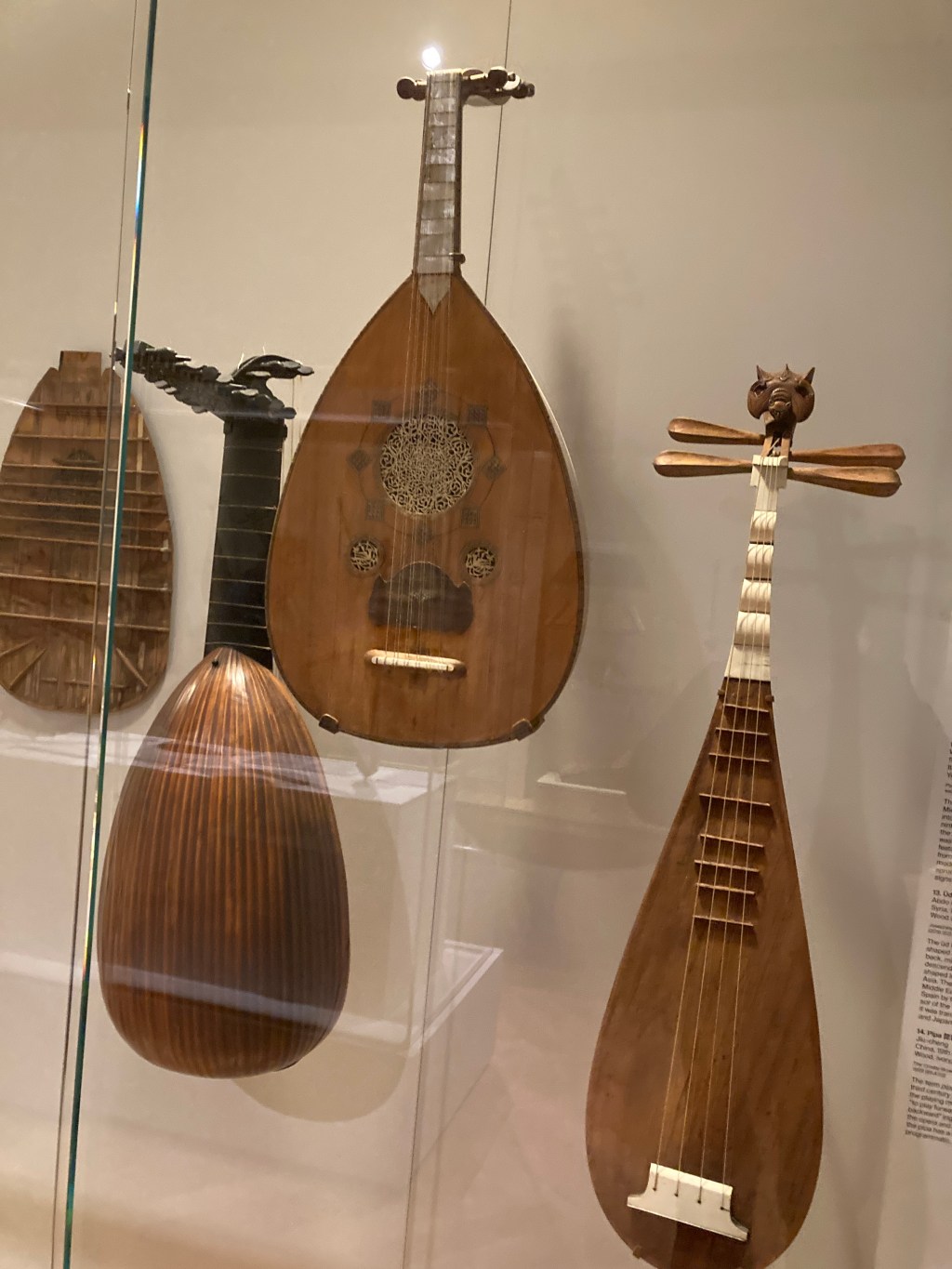
When you think of what skills a good musician has, there is a good chance you think of phrasing. Phrasing is the art of splitting up one’s piece into discernible phrases, or deliberately blurring the distinction between phrases. At the root of musical transitions is phrasing. Being able to neatly…
